


Brand experience design is not just about how things look; it is about how people feel and respond to your brand across every touchpoint. But more than that, it is measurable. With the right approach, businesses can track how design influences user behaviour, loyalty, customer satisfaction, and even the bottom line.
A thoughtful design consultancy approach helps align creative execution with measurable business goals. In this article, we explore how to measure the true impact of brand experience design and why it’s essential for long-term business success.
What Is Brand Experience Design and Why Measure It?
Brand experience design refers to the way customers interact with your brand across all touchpoints, from your website and packaging to customer service and physical spaces. It shapes how people perceive your brand and whether they choose to engage or walk away.
While many think of it as purely visual, good brand experience design is grounded in purpose. It guides action, builds trust, and supports business goals. By measuring its effectiveness, companies gain valuable insights into what’s working and where to improve.
Start With Clear Goals
Before you can measure anything, it’s important to define what you want your brand experience to achieve. Are you aiming to:
- Increase customer loyalty?
- Improve website conversions?
- Raise brand awareness?
- Boost user satisfaction?
By linking your design efforts to these goals, you can set meaningful KPIs (Key Performance Indicators) that will help track progress.
Key Metrics That Matter
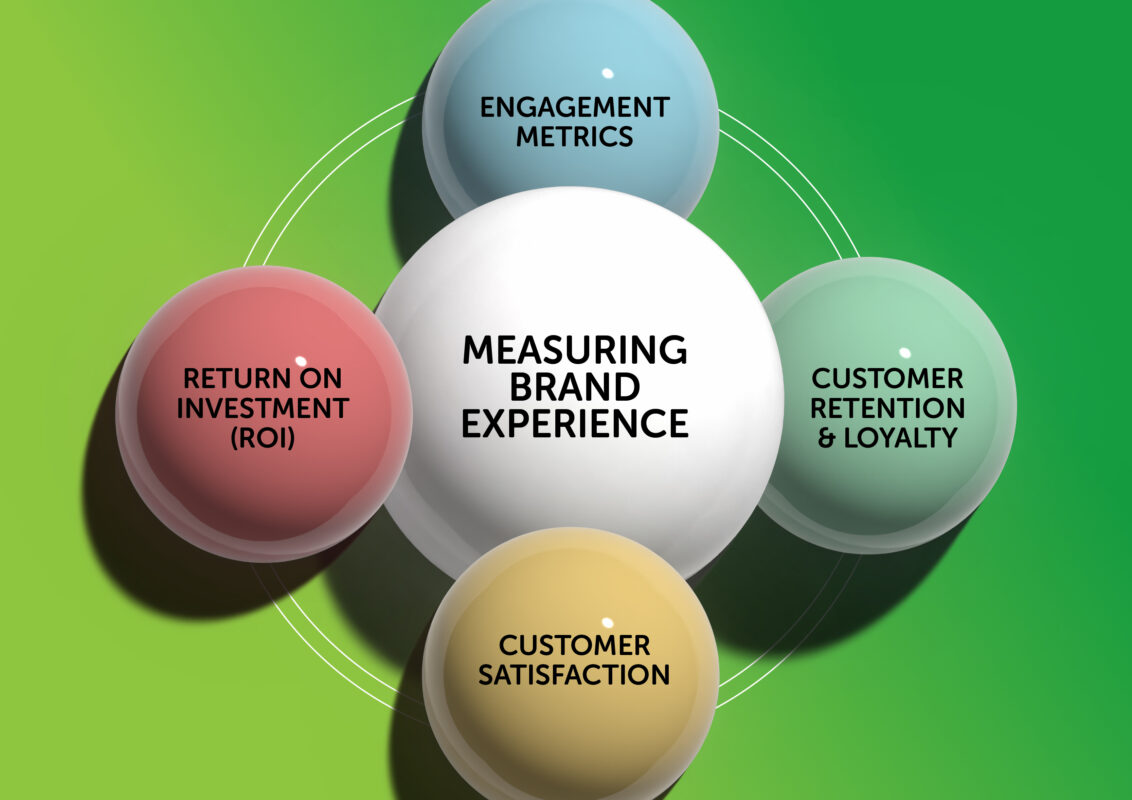
To understand how your brand experience design is performing, track both digital and customer-focused metrics. Here are the main categories to monitor:
1. Engagement Metrics
These reveal how users interact with your digital platforms:
- Bounce rate: Are visitors leaving your site without exploring?
- Time on page: Are they staying long enough to absorb your message?
- Click-through rate (CTR): Are they responding to calls-to-action?
- Scroll depth: Are users engaging with your content from top to bottom?
Social media metrics, such as likes, shares, and comments, can also indicate how well your brand content connects with your audience.
2. Customer Retention and Loyalty
Your design choices influence how customers feel over time. Key metrics include:
- Repeat purchase rate
- Customer Lifetime Value (CLV)
- Net Promoter Score (NPS): Would customers recommend you to others?
These figures help determine if your brand is building lasting relationships.
3. Customer Satisfaction
Customer feedback is a rich source of insight. Collect it through:
- Post-purchase surveys
- Online reviews
- Usability testing
If your design frustrates users, they will let you know, often through silence or by choosing competitors.
4. Return on Investment (ROI)
Design is not just creative, it’s commercial. Track:
- Increases in sales or leads after a design update
- Conversion rates before and after a website or brand refresh
- Overall brand equity (how much more people are willing to pay for your brand)
Useful Tools for Tracking Brand Experience
Thankfully, you do not have to guess. Here are some tools that help measure design impact:
- Google Analytics: Track website activity like bounce rates and conversions.
- Hotjar / Microsoft Clarity: View user behaviour through heatmaps and session recordings.
- CRM Platforms (e.g. HubSpot, Salesforce): Understand how design affects lead flow and sales.
- Customer Feedback Tools (e.g. Typeform, SurveyMonkey): Gather direct feedback from real users.
By combining numbers (quantitative data) with customer opinions (qualitative data), you get a complete picture of performance.
Make It a Team Effort
To measure brand experience well, different teams need to work together. Designers, marketers, product developers, and customer support should all be involved in reviewing data and user feedback. This collaboration ensures a seamless customer journey and smarter design updates.
Create a feedback loop: test, learn, improve, repeat.
Avoid These Common Mistakes
When measuring brand experience, watch out for these pitfalls:
- Not tracking from the start: Measurement should be planned early, not after the launch.
- Only tracking vanity metrics: Likes and page views are useful, but don’t stop there.
- Ignoring customer voices: Data is important, but so are stories and context.
- Working in silos: Make sure insights are shared across departments.
Partner with EQ Brand: Your Experts in Brand Experience Design
At EQ Brand, we understand that strong brand experience design is the foundation of long-term business success. We go beyond surface-level design to create strategic experiences that speak to your customers—and deliver measurable results.
As a trusted design consultancy, we help businesses link creative design with clear commercial impact. Whether you’re improving engagement, building brand loyalty, or tracking return on investment, we make sure every element of your brand experience works hard for your business.
Let EQ Brand guide you in turning insight into action—and design into growth.

