

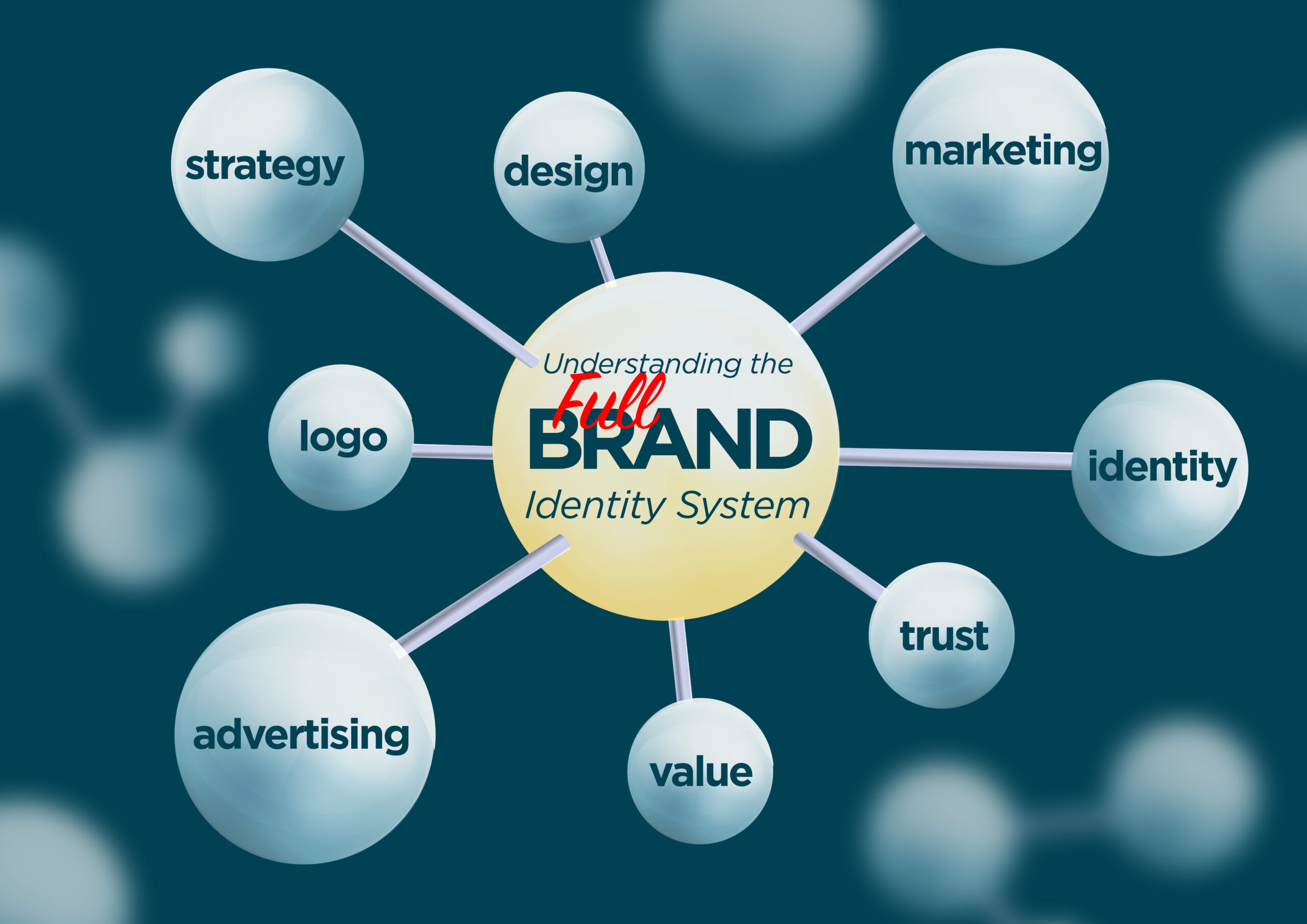
Many businesses think branding begins and ends with a logo. A logo is important, but it is only one part of a larger brand identity system that shapes how people recognise, remember, and experience a brand.
A strong brand identity system gives every visual and communication element a clear role. It defines how your logo, colours, typography, imagery, layouts, messaging, and brand assets work together across campaigns.
Without a proper system, branding becomes fragmented. Teams may use different logo versions, colours may vary across platforms, and marketing materials may feel disconnected. Over time, this weakens recognition and makes the brand harder to trust.
For businesses that want to grow with clarity, a brand identity system is more than a design exercise. It is an operational framework that helps a company present itself consistently as it expands into new channels, markets, and customer segments.
Many organisations work with a branding consultant, brand design consultant, or brand agency Singapore to build an identity system that connects strategy, visual design, and communication into one clear framework.
EQ Brand, for example, helps organisations develop branding systems that express their brand potential while keeping every customer touchpoint aligned.
Key Takeaways
- A brand identity system defines how a brand looks, sounds, and presents itself across different platforms.
- It goes beyond a logo and includes colour systems, typography, imagery, layout rules, messaging guidance, and brand guidelines.
- A strong identity system improves consistency, strengthens recognition, and helps customers understand the brand more easily.
- Businesses often work with branding consultants or agencies in Singapore to build systems that align visual identity with business strategy.
- A brand identity system should be maintained through clear guidelines, accessible toolkits, regular audits, and proper brand governance.
What Is a Brand Identity System?
A brand identity system is a structured set of visual and communication rules that helps a brand appear consistently across every platform.
It includes the core elements people often associate with branding, such as logos, colours, fonts, and imagery. However, it also defines how these elements should be used together.
A complete system usually includes:
- Logo variations
- Colour palettes
- Typography rules
- Imagery and photography direction
- Layout and grid principles
- Iconography styles
- Tone of voice guidance
- Brand messaging
- Brand guidelines
- Templates and toolkits
The goal is simple: to make sure everyone representing the brand uses the same visual and communication language.
This matters because most brands are managed by more than one person. Internal teams, designers, agencies, vendors, web developers, social media managers, and sales teams may all create brand materials. Without a system, each person may interpret the brand differently.
Brand Identity vs Visual Identity vs Brand Identity System
Understanding the difference between these concepts helps clarify the role of an identity system.
| Concept | What It Means |
| Brand Identity | The overall personality, positioning, values, and perception of the brand |
| Visual Identity | The visual expression of the brand, including logo, colours, typography, and imagery |
| Brand Identity System | The structured framework that governs how visual and communication elements work together |
Think of the brand identity as the brand’s character, the visual identity as how that character appears, and the brand identity system as the rulebook that keeps everything consistent.
Why A Brand Identity System Matters And Why Strategy Comes First
A logo alone cannot keep a brand consistent across websites, social media, pitch decks, advertisements, packaging, signage, and internal materials. As a business grows, more people create brand assets, and small inconsistencies can quickly multiply.
A complete brand identity system gives teams a shared framework for how the brand should look, sound, and behave. It keeps colours, typography, imagery, layouts, messaging, and templates aligned across every touchpoint.
This helps customers recognise the brand more easily, builds trust through familiarity, and makes brand management more efficient for internal teams and external partners.
However, the strongest identity systems do not begin with design. They begin with strategy. Before creating logos, colours, or visual assets, a business should define its brand purpose, target audience, positioning, competitive difference, personality, tone of voice, and messaging pillars.
A useful way to anchor this is through EQ Brand’s Brand DNA® 5Ps: Purpose, Positioning, Personality, Platform, and Promise. These strategic pillars help clarify what the brand stands for, who it serves, how it should be perceived, what value it offers, and what it consistently commits to delivering.
This strategic foundation ensures that the identity system reflects what the business stands for, not just what looks good. A premium financial services brand may need to feel credible and restrained, while a hospitality brand may need to feel warm and welcoming.
When strategy comes first, every design decision becomes more purposeful, scalable, and aligned with long-term business growth.
Key Components of a Brand Identity System
A strong brand identity system brings several elements together. Each part has a specific function, but the real value comes from how they work as a complete system.
Logo System
A logo system includes the different logo versions needed for various uses.
This may include:
- Primary logo
- Secondary logo
- Horizontal logo
- Vertical logo
- Icon or symbol
- Monochrome version
- Small size version
- Clear space rules
A logo must work across websites, social media profiles, business cards, signage, presentations, packaging, and digital ads. Different formats help the brand remain recognisable even when space or layout conditions change.
Colour System
Colour is one of the strongest tools for brand recognition.
A colour system defines the primary palette, secondary palette, accent colours, and approved colour combinations. It should also include colour codes for digital and print use.
A good colour system also considers accessibility, contrast, and readability.
Typography System
Typography affects how a brand feels before the audience even reads the words.
A brand identity system should define the primary and secondary typefaces, along with rules for headings, body text, captions, buttons, presentations, and digital layouts.
Typography rules help maintain hierarchy, readability, and consistency across brand materials.
Imagery and Photography Style
Images play a major role in shaping brand perception.
An identity system should define the style of photography, illustration, graphics, and image treatment. This may include guidance on lighting, composition, subject matter, colour tone, background style, and cropping.
For example, one brand may use polished studio photography, while another may prefer natural lifestyle images. The right approach depends on the brand’s positioning and audience.
Layout and Grid System
A layout system defines how design elements are arranged.
This includes spacing rules, margins, grids, composition principles, and content hierarchy. It ensures that materials feel consistent even when different teams create them.
Layout rules are especially useful for websites, pitch decks, advertisements, brochures, social media templates, and event materials.
Iconography System
Icons are often used in websites, presentations, brochures, apps, and infographics.
An iconography system defines the visual style of icons, including line weight, shape, detail level, and usage rules. This helps avoid mixing different icon styles that make brand materials look inconsistent.
Messaging And Tone Of Voice
A brand identity system should not focus only on visuals. How the brand speaks also matters.
Tone of voice guidance helps teams communicate consistently across websites, ads, social media, customer service, proposals, and internal communications.
This may include guidance on:
- Brand voice
- Writing style
- Messaging pillars
- Taglines
- Value propositions
- Approved phrases
- Words to avoid
Once these elements are defined, they should be packaged into a practical brand toolkit that teams can use day to day. This may include logo files, colour codes, font guidance, icon libraries, image references, templates, brand guidelines, and messaging guides.
A toolkit turns the identity system into usable working assets, making it easier for internal teams and external partners to apply the brand correctly.
Examples of Strong Brand Identity Systems
Some of the world’s most recognisable brands are strong because they manage their identity systems carefully. Their logos are famous, but their brand recognition comes from much more than a symbol.
Apple
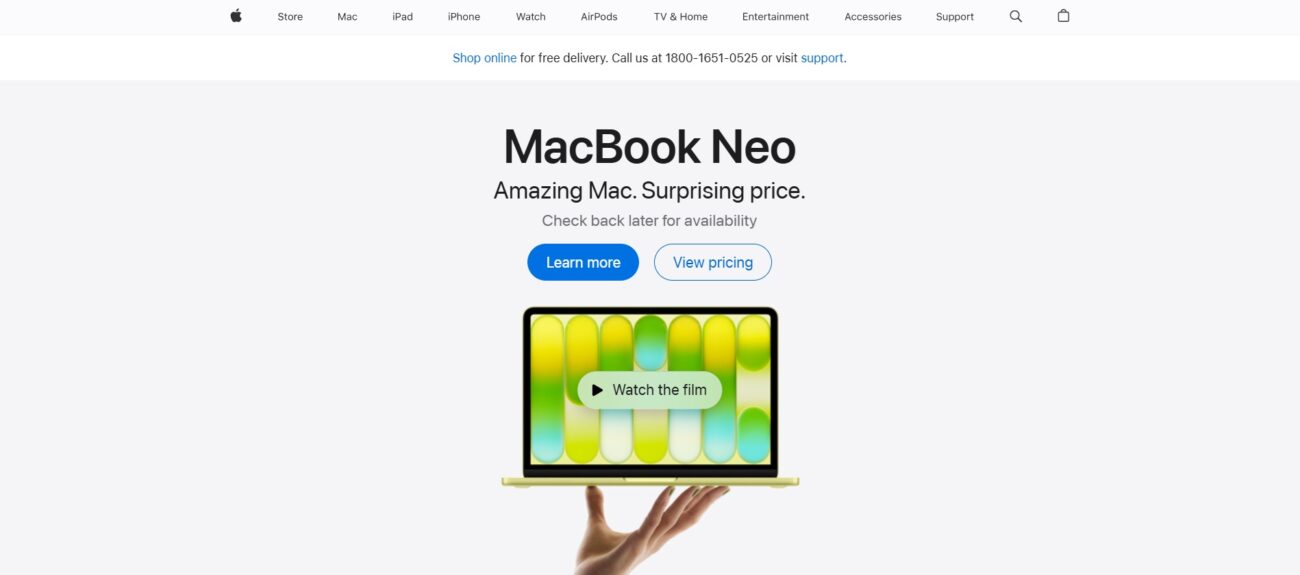
Image Credit: Apple homepage
Apple’s brand identity system is built around simplicity, clarity, and product focus.
Its use of clean typography, generous white space, minimal layouts, and product-centric imagery creates a consistent premium experience. Whether someone visits the website, enters a retail store, watches an advertisement, or opens product packaging, the brand feels unmistakably Apple.
The strength of Apple’s system lies in restraint. Every element supports the same perception: simple, refined, and intuitive.
Nike
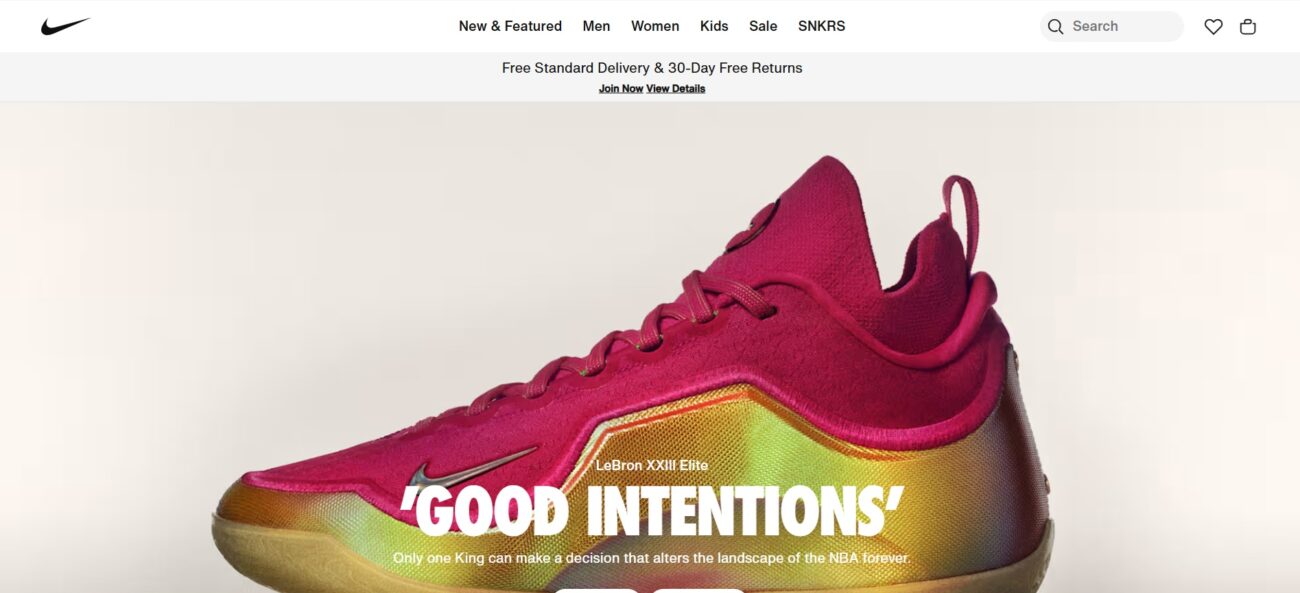
Image Credit: Nike
Nike’s identity system is energetic, bold, and emotionally driven.
The swoosh is iconic, but Nike’s broader system includes strong typography, dynamic photography, athlete-led storytelling, and confident messaging. Its campaigns often focus on movement, ambition, perseverance, and personal achievement.
This gives Nike a flexible identity that works across sportswear, digital campaigns, retail environments, product launches, and global advertising.
Airbnb
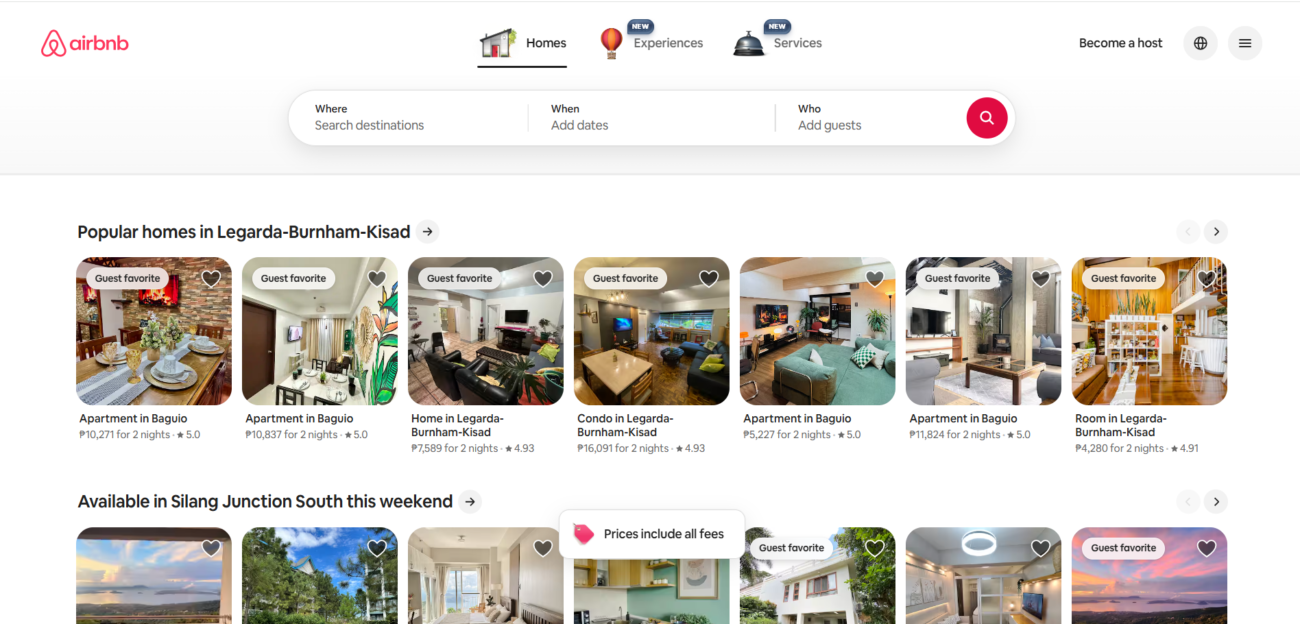
Image Credit: Airbnb
Airbnb has built a distinctive brand identity system that conveys its values of belonging, community, and inclusivity. The brand has successfully blended typography, colour palettes, and illustration styles to create a friendly, welcoming aesthetic that aligns with its mission of making people feel at home, no matter where they are.
Airbnb Cereal, the brand’s custom typeface, is a clear example. Its use of approachable typography, welcoming colours, illustration styles, and people-focused imagery supports its positioning as a hospitality brand built around shared experiences.
Airbnb’s identity system works because it connects visual design with the emotional idea behind the brand. It not only shows accommodation. It communicates a feeling of being welcomed.
How a Branding Agency Builds a Brand Identity System
A brand identity system usually follows a structured process. While every agency may work slightly differently, most effective branding projects move through several key stages.
Brand Discovery and Strategy
The process begins with understanding the business.
This stage may include stakeholder interviews, workshops, competitor reviews, customer insights, market research, and brand audits. The goal is to understand where the brand is today and where it needs to go.
Key questions include:
- Who is the target audience?
- What does the brand stand for?
- How is the brand currently perceived?
- What makes the brand different?
- What business goals must the identity support?
- Where are the current brand inconsistencies?
This stage provides the strategic foundation for the identity system.
Visual Identity Development
Once the strategy is clear, designers develop the core visual elements.
This usually includes logo design, colour palette development, typography selection, imagery direction, and initial creative concepts. The aim is to create a visual direction that reflects the brand’s positioning, personality, and business goals.
This stage should not be based only on what looks attractive. It should be based on what best expresses the brand.
Identity System Design
After the core visual direction is approved, the design is expanded into a full identity system.
This involves defining how logos, colours, typography, imagery, layouts, icons, and other assets work together across different touchpoints.
The system must be flexible enough for different use cases, but controlled enough to protect consistency.
Brand Guidelines Creation
Brand guidelines document the rules of the identity system.
They explain how each element should be used and what should be avoided. This helps internal teams, agencies, vendors, designers, and marketing partners apply the brand correctly.
Guidelines may include logo spacing, colour rules, typography hierarchy, image direction, layout principles, tone of voice, and examples of correct and incorrect usage.
Brand Implementation
The final stage involves implementing the identity system across real-world applications. This may include updating office and corporate collaterals, event and print collaterals, marketing campaigns, product packaging, corporate presentations, digital platforms, and finally, the website.
These assets are often built as master templates rather than one-off designs. This allows teams to use the brand consistently in daily operations.
A Singapore branding company may also support the rollout to ensure the identity is applied correctly across all internal and public-facing channels.
How to Maintain a Strong Brand Identity Over Time
Creating a brand identity system is only the beginning. To remain effective, the system must be maintained as the business grows.
Ensure Internal Teams Have Access to Brand Guidelines and Toolkits
Brand guidelines should not sit unused in a forgotten folder. Internal teams and external partners should know where to find the latest logo files, templates, colour codes, messaging guidance, and design rules.
The easier these assets are to access, the more likely teams are to use them correctly..
Conduct Regular Brand Audits
A brand audit helps identify whether the identity system is being applied consistently.
This may involve reviewing:
- Website pages
- Social media posts
- Digital advertisements
- Sales decks
- Brochures
- Event materials
- Email templates
- Internal documents
The goal is to spot inconsistencies early and correct them before they become widespread.
Update Brand Identity Systems to Reflect Business Changes
A brand identity system should be stable, but not static. Whether you are launching a new product, entering a new market, or rebranding due to a shift in market positioning, your brand identity system must evolve to reflect these changes.
This does not always mean a full rebrand. Sometimes, it may involve updating messaging, expanding templates, refining imagery, or adjusting brand guidelines.
The key is to keep the identity aligned with the direction of the business.
Signs Your Business Needs a Brand Identity System
You may need a brand identity system if your brand feels inconsistent across different platforms.
Common signs include:
- Different logo versions are being used across materials
- Colours do not look consistent across digital and print assets
- Marketing teams create materials in different styles
- Presentations, social posts, and ads do not feel connected
- External agencies interpret the brand differently
- The business is expanding into new markets
- A new product or service is being launched
- Customers do not clearly understand what the brand stands for
- The company has grown, but the branding has not evolved
These issues often appear gradually. By the time they become obvious, the brand may already feel fragmented.
A structured identity system helps bring the brand back into alignment.
Building a Strong Brand Identity System for Long-Term Growth
A logo alone is not enough to define a brand. Businesses that want to build strong, recognisable brands need a structured brand identity system that governs how visual and communication elements work together.
From logos and colour systems to typography, imagery, and design frameworks, these elements create a consistent brand experience across every customer touchpoint.
When implemented properly, a well-designed identity system helps businesses strengthen brand recognition, communicate clearly with their audience, and scale their marketing efforts more effectively.
Developing a brand identity system requires more than visual design. It involves aligning brand strategy, messaging, and creative execution into a unified framework that supports long-term growth.
If your organisation is looking to develop or refine its brand identity, working with an experienced branding consultant or brand agency in Singapore can help ensure your brand communicates clearly and consistently across every platform.
EQ Brand is a Singapore branding company with decades of experience helping organisations unlock their brand potential through strategy, design, and emotionally intelligent branding systems. Contact us to discuss your brand identity system.
Frequently Asked Questions About Brand Identity Systems
What is the difference between a logo and a brand identity system?
A logo is a single visual symbol that represents a brand. A brand identity system is a broader framework that includes logos, colours, typography, imagery and design guidelines that ensure consistent branding across all platforms.
Do small businesses need a brand identity system?
Yes. Even small businesses benefit from a structured identity system because it ensures consistent marketing materials and improves brand recognition.
How long does it take to create a brand identity system?
Developing a complete identity system typically takes several weeks, depending on the brand’s complexity and the number of design elements required.
What should brand guidelines include?
Brand guidelines usually include logo usage rules, colour specifications, typography guidelines, imagery style and layout frameworks.

