


Rebranding without understanding your audience can miss the mark. Many businesses fall into the trap of thinking a new logo or updated website is enough. But if your rebrand does not speak to the people you serve, it may do more harm than good.
A strong rebranding strategy is more than just a visual update; it involves repositioning your brand to better align with your audience’s expectations, values, and needs. In some cases, it also includes reshaping your brand architecture strategy to ensure every product, service, or sub-brand fits within a clear and connected system.
In this article, we will walk you through how to create a rebranding strategy that is rooted in audience insights,so your new identity not only looks fresh but also feels right to those who matter most.
Why Audience-Led Rebranding Matters (to a certain extent)
A rebrand is more than just a visual makeover. It is a chance to reflect your company’s growth, values and direction. But unless your new brand aligns with your audience’s expectations and needs, you risk creating confusion or losing trust.
But even the most beautifully crafted brand falls short if it does not resonate with your target audience. It should align with your audience’s expectations, needs and perceptions.
That is why the most successful rebrands begin with understanding your audience. Who they are, what they value, what motivates their decisions and how they currently see you in their world. Their perceptions shape how your brand is received. An audience-led approach ensures your brand speaks with your customer, not at them.
However, audience understanding should also not come at the expense of your brand’s core identity. There is a point where being overly driven by external opinions, social trends or the pressure to appear “on-trend” can cause brands to lose their originality.
This is where the value of an experienced brand consultant becomes clear. A good consultant does not simply follow audience sentiment, nor do they allow internal bias to dominate. Instead, a good brand consultant helps to find the sweet spot, a strategic balance between what your audience needs and what your brand must stand for.
Know When It’s Time to Rebrand
Not all brands need a full rebrand. Sometimes a small update or refresh is enough. However, you might need a complete rebrand if:
- Your brand looks outdated or no longer matches your vision
- Your business has changed direction or entered new markets
- You are not connecting with your current audience
- You have merged, expanded, or faced a reputational issue
Knowing the difference between a refresh and a full rebrand is key to making the right move at the right time.
Start with Deep Audience Research
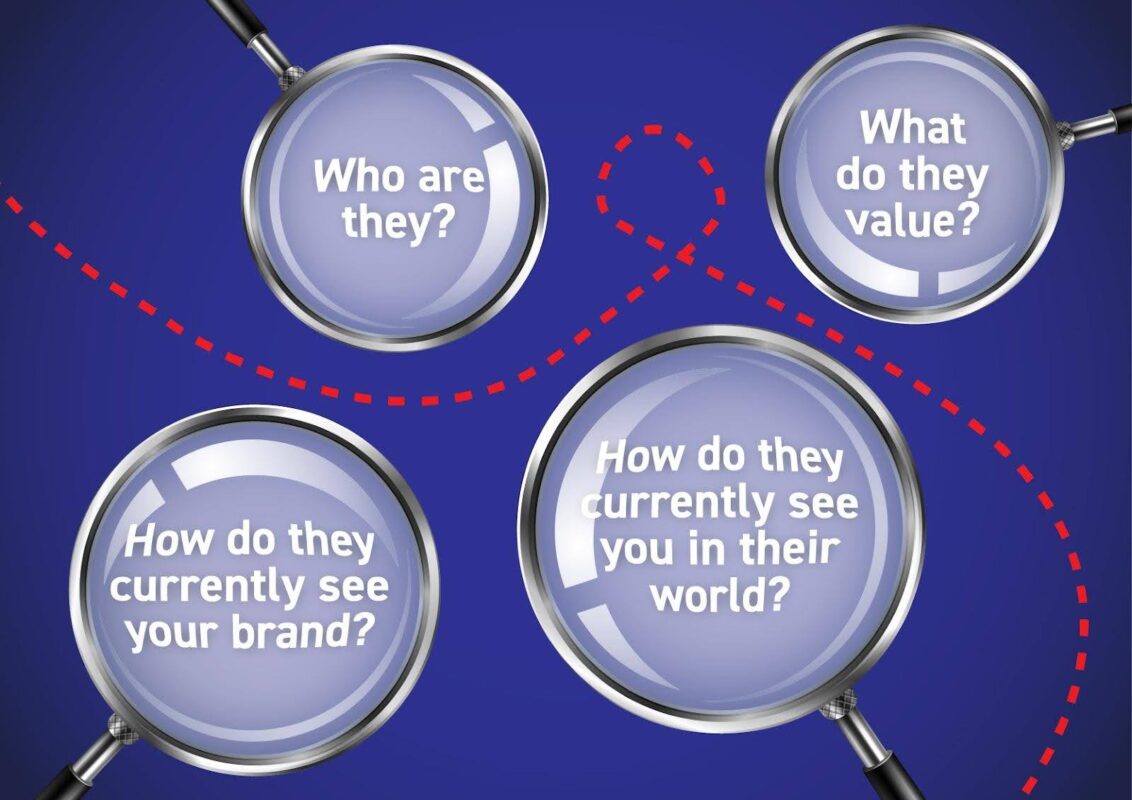
Before changing anything, take time to really understand your audience. Ask:
- Who are they?
- What do they value?
- How do they currently see your brand?
- How do they currently see you in their world?
Use surveys, interviews, customer feedback, website data, and social media insights. If you do not already have audience personas, now is the time to create or refine them. A well-informed strategy always starts with real data, not guesswork.
Define What You Want to Achieve
A rebrand should support your wider business goals. Are you trying to:
- Attract a younger or a different type of audience?
- Expanding into a new region?
- Reposition your business in a competitive market?
Be clear about your reasons. Set measurable goals, like improved engagement, increased sales, or better brand awareness. Having a clear ‘why’ will keep your rebrand focused and purposeful.
Build a Clear and Meaningful Brand Positioning
Your audience should know what makes your brand different and why they should care. Use your research to:
- Craft a unique value proposition
- Develop a brand story that connects emotionally
- Set your tone of voice and personality
People connect with stories, not just services. Make sure yours has compelling truth. Because a brand story must be compelling and truthful because only a story rooted in real, meaningful truth can capture attention, earn trust, and create a genuine emotional connection that audiences believe in.
Align Visual Identity with Strategic Intent
Once your brand positioning is clear, you can begin updating the visual elements. This includes your logo, colours, typography, and design style. Your visual identity should:
- Reflect your values and personality
- Appeal to your target audience
- Be easy to use across platforms
Where possible, test your designs with real users before launch. A beautiful design that does not connect is still a missed opportunity.
Communicate the Change with Confidence
Launching your new brand is as important as creating it. You will need a strong rollout plan that includes:
- Internal communication: Your team should understand and support the rebrand and walk the talk.
- External messaging: Explain the reason for the change to your customers
- Storytelling: Share the journey behind the rebrand
Be clear, consistent, and confident. If your audience knows why you rebranded, they’re more likely to support the change.
Monitor Response and Stay Flexible
The launch is not the end. It is just the beginning. Pay close attention to how people respond. Track metrics like:
- Website traffic
- Social engagement
- Customer feedback
- Sales performance
Use this information to adjust as needed. A great brand stays responsive, flexible, and committed to improvement.
Common Pitfalls to Avoid
Rebranding can go wrong if you:
- Skip any market and analysis research and assume you know your market and audience
- Change everything too fast without explanation
- Ignore loyal customers and their feedback
- Fail to apply the new brand consistently
Avoiding these mistakes can make all the difference between a successful rebrand and a confusing one.
Make Your Rebrand Count with the Right Strategy
Rebranding is a big step, but it does not have to be risky. With a clear, insight-led rebranding strategy, you can refresh your identity with confidence, knowing that it aligns with your business goals and speaks directly to your audience.
For businesses with multiple offerings, a thoughtful brand architecture strategy can also help organise your brand elements under one coherent structure. This creates clarity both internally and externally, ensuring your entire brand experience feels consistent and connected.
EQ Brand: Your Expert Partner in Audience-Centred Rebranding
At EQ Brand, we understand that great branding starts with empathy and insight. Our expert team specialises in creating rebrands that are not only visually impactful but also rooted in deep audience understanding.
Whether you need a full rebranding strategy or a clear brand architecture strategy to guide your future growth, we are here to help. We’ve worked with businesses of all sizes to reconnect with their audiences and build future-ready brands that grow with them.
Let EQ Brand guide you through a smarter, audience-first rebranding journey. Get in touch with us today.

